Roofing contractor · Omaha metro

Roofing contractor
in Omaha & Gretna

Roof replacement and roof repair after hail, wind and Nebraska winters. Callaway Construction Inc. works across the Omaha metro from Gretna, with the owner on the job from the walkthrough to the last shingle.

A Gretna roofing contractor, owner on the job

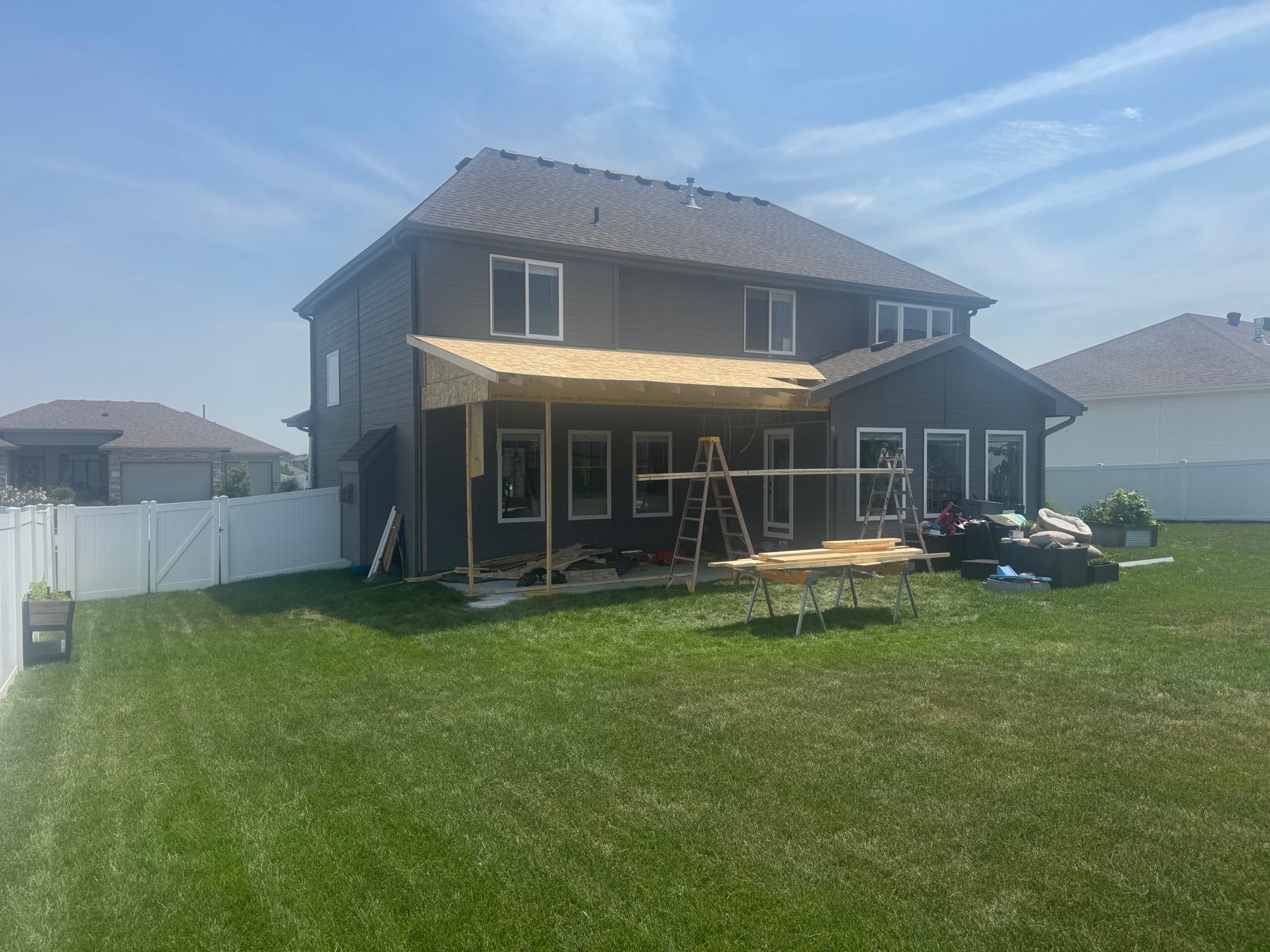
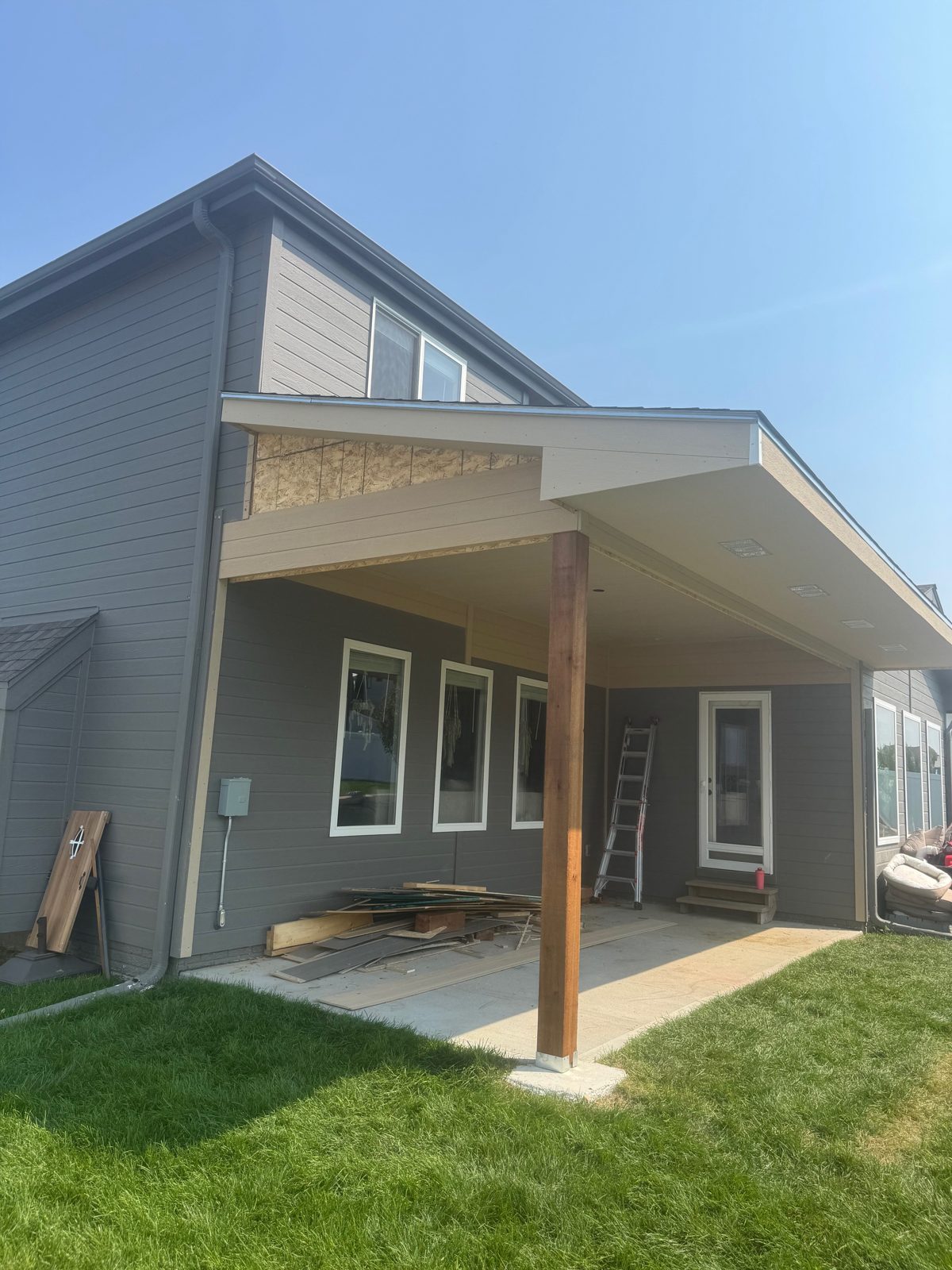
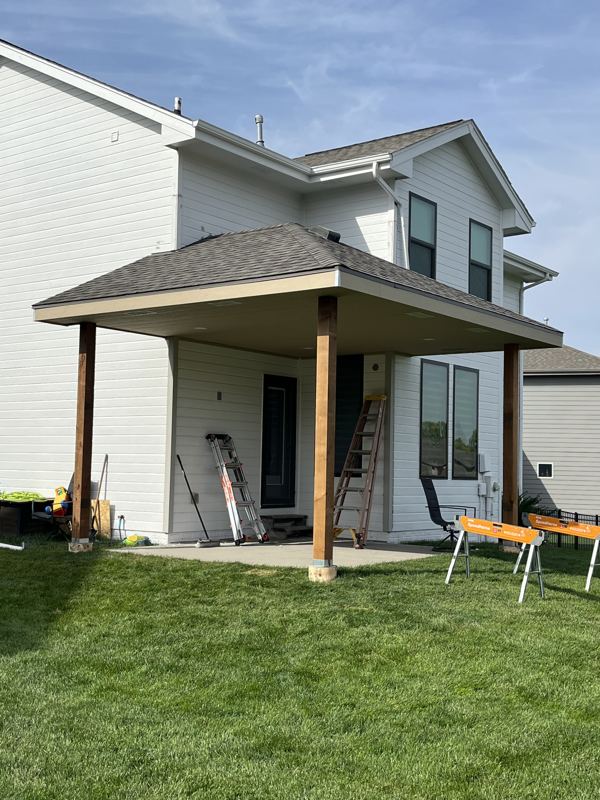
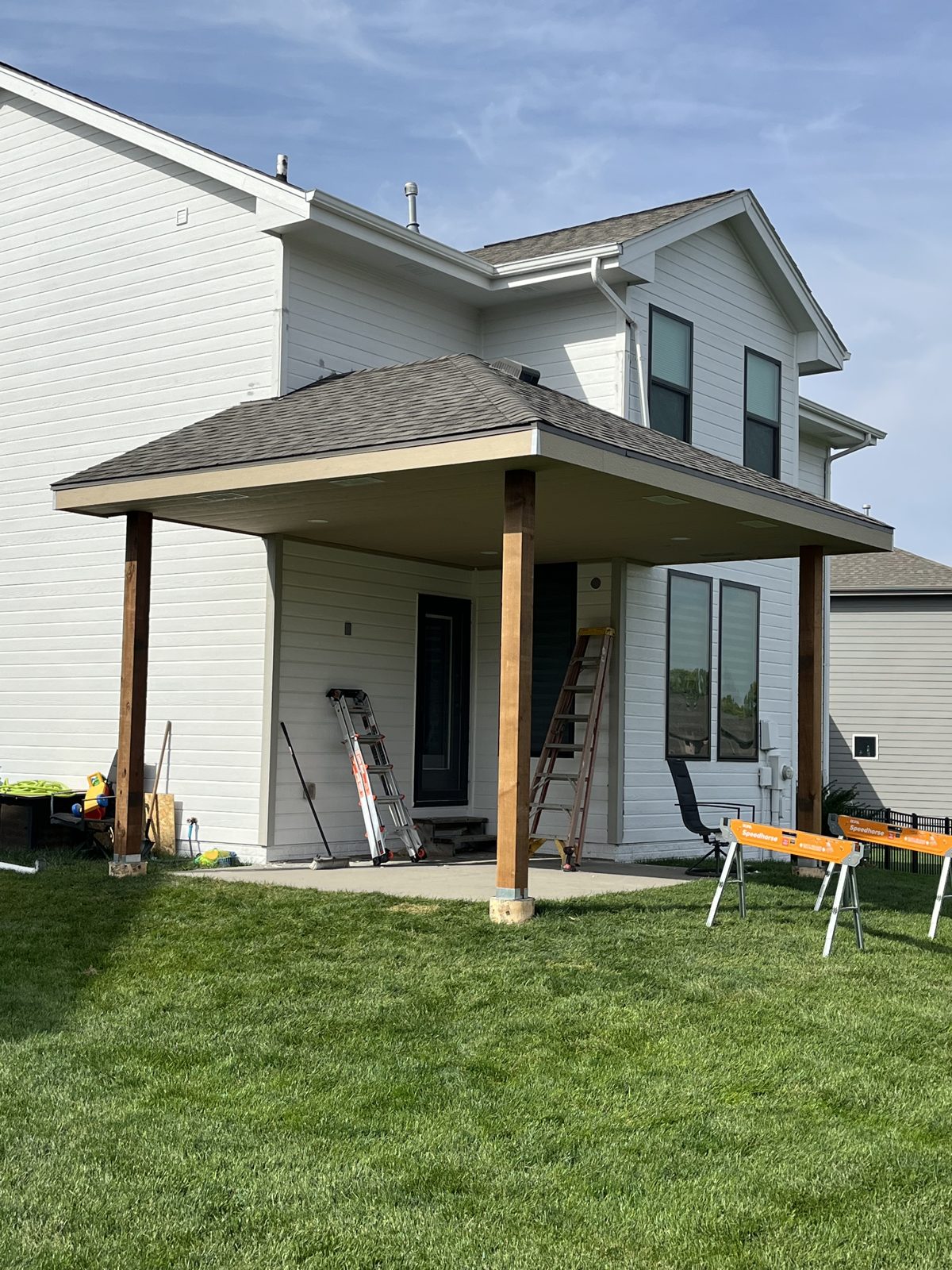
A roof in eastern Nebraska takes hail, high wind, heavy snow and summer sun, sometimes all in one year. Callaway Construction Inc. is a roofing contractor based in Gretna and working across the Omaha metro. We replace roofs that are done, repair the ones that are not, and tie new roofs into old ones on additions and porches.

Chris Cannon has run the company since 1995. He walks the job, writes a line-item bid and runs the work himself, so the person who looked at your roof is the person on site when it is open.

Roof replacement: what is included

A new roof is more than shingles. Under the residential code Nebraska adopted, a roof replacement means taking the old layers off, down to the roof deck. That is when soft or rotted decking shows up, and the time to replace it is before anything goes over it. Then the roof goes back on in layers:

  • Ice barrier at the eaves. A self-adhering membrane from the edge of the roof to at least 24 inches inside the wall line, where ice dams form. Gretna requires it on every re-shingle.
  • Underlayment and drip edge. Underlayment over the deck, and metal drip edge along the eaves and rakes, which the code requires on shingle roofs.
  • Flashing. Step or continuous flashing where the roof meets a wall, at least 4 inches up the wall and 4 onto the roof, plus flashing around chimneys and vents and lining in the valleys.
  • Shingles. Put on to the maker's instructions, from bundles labeled for wind resistance to ASTM D7158.
  • Ventilation. Air in low at the eaves and out high near the ridge, so the attic stays cold in winter.

Can a new roof go over the old one? Only in narrow cases. The code does not allow it over two existing layers, over a roof that is water-soaked or deteriorated, or over slate or tile. Even where it is allowed, a tear-off is the only way to see the deck.

Roof repair

Not every leak means a new roof. Roof leak repair starts with finding where the water gets in, which is often not right above the stain on the ceiling. Wind-lifted or missing shingles, a cracked boot around a plumbing vent, failed flashing at a chimney or wall, and a few hail-hit shingles can often be repaired on their own.

Repair makes less sense when the shingles are near the end of their life, when the damage is spread across the roof, or when the same leak keeps coming back. Older shingles may not match, and a patch on a tired roof buys little time. Chris can tell you at the walkthrough whether he would repair it or replace it, and why.

Leaking right now? Put a bucket under it, move what you can, and take photos inside and out. Stay off the roof, especially when it is wet or icy.

Roof repair after a hail or wind storm

After hail or high wind, start with a look from the ground. Check for dents in the gutters, downspouts, roof vents and the metal around windows, and for shingle granules washing out of the downspouts. Do not climb on the roof. Take dated photos before anything is repaired.

Paying through insurance? Read Nebraska's protections before you sign: a three-business-day right to cancel, no contractor covering your deductible, and an itemized estimate for you and your insurer. They are spelled out, with how to compare storm bids, on our hail damage repair page.

Owner-run since 1995. Chris Cannon bids the job, runs the job and answers the phone. Same crew, same owner on site, same line-item bid.
Quick facts

  • ServiceRoof replacement and repair
  • Based inGretna, Nebraska
  • ServingThe Omaha metro
  • Since1995
  • Run byChris Cannon, owner
  • Phone(402) 740-6572
What goes into a roof

What we handle on a roofing job

From tear-off to the last shingle, with one point of contact.

Impact-rated shingles: what Class 4 means

Shingles sold as impact-resistant are tested to UL 2218. Steel balls from 1¼ to 2 inches across are dropped on the shingle from heights meant to match the energy of a hailstone that size. Class 4, the top rating, means the shingle took the 2-inch ball without cracking through.

It does not mean hail cannot mark it. Under that test, dents, bruises and lost granules on the top of the shingle are not counted as failures. The insurance industry's research institute now rates shingles on a test that counts that cosmetic damage too.

Before you choose, ask your insurance agent two things: whether an impact-rated roof lowers your premium, and how your policy treats cosmetic hail damage. The answers can change which shingle makes sense for your house.

Architectural vs 3-tab shingles

Three-tab shingles are a single layer cut into three tabs. They are the least expensive asphalt shingle and lie flat. Architectural shingles, also called laminated or dimensional, are two or more layers glued together, so they are thicker and give the roof some depth and shadow. Thicker does not by itself mean better in hail: for hail, the impact rating is the number to compare.

Wind, snow and ice dams

Shingles are tested and labeled for wind, and the code ties the class you need to the design wind speed where the house stands.

Ice dam roof repair fixes the damage, but ice dams usually start inside the house. Warm air leaking into the attic melts the snow on the roof, and the water refreezes at the cold eaves and backs up under the shingles. The lasting fix is in the attic: seal the air leaks, add insulation, and keep it ventilated so the roof deck stays cold. A new roof is the right time to look at all three, and the ice barrier at the eaves is the backup for the winters when ice dams form anyway.

Re-siding too? Where a roof meets a wall, the flashing is shared between the two jobs, so doing them together means one crew is responsible for it. See the siding page.

At a glance

  • ReplacementTear-off to the deck
  • Ice barrier24 in past the wall line
  • Drip edgeEaves and rakes
  • Impact ratingUL 2218, Class 1 to 4
  • PermitOmaha yes · Gretna re-shingle no
  • Phone(402) 740-6572
How it goes

How we would do your roof

Five steps, one point of contact, and a phone that gets answered.

1

Tell us about it

The quote form or a phone call. Photos of the roof, or of a leak inside, help.

2

Walkthrough

Chris looks at the shingles, flashing, vents and gutters, and at the ceilings and attic for signs of leaks.

3

Line-item bid

Tear-off, decking, ice barrier, underlayment, flashing, shingles and vents each on their own line.

4

The work

Same crew, owner on site. Old roof off, deck checked, barrier, underlayment and flashing, then shingles.

5

Final walkthrough

You and Chris go over the roof line, the flashing and the gutters together.

Roofing questions

Straight answers

Do I need a permit to replace my roof in Omaha or Gretna?

In Omaha, yes. Re-roofs and roof repairs are their own residential permit types, and the permit has to be issued before work starts. Papillion and La Vista also cover re-roofs on their permit forms. In Gretna, re-shingling does not need a permit as long as no rafters are involved and no more than one sheet of roof decking is replaced, and the city requires an ice shield. Chris can tell you at the walkthrough what he expects your job to need.

Should I get impact-resistant Class 4 shingles?

In hail country they are worth pricing. Class 4 under UL 2218 means the shingle took a 2-inch steel ball without cracking through; it does not mean hail cannot dent it or knock granules off. Ask your insurance agent whether an impact-rated roof lowers your premium and how your policy treats cosmetic damage, then decide.

Can you put a new roof over my old one?

Only in narrow cases. The residential code does not allow a new layer over two existing layers, over a water-soaked or deteriorated roof, or over slate or tile. Even where it is allowed, tearing off is the only way to see and fix the roof deck.

Can you fix a roof leak, or do I need a new roof?

Many leaks come from one spot: lifted or missing shingles, a cracked vent boot, or failed flashing at a wall or chimney. Those can often be repaired. If the shingles are near the end of their life or the damage is spread out, a repair buys little time. Chris will tell you which way he would go and why.

How can I tell if hail damaged my roof?

Stay on the ground. Look for dents in the gutters, downspouts, roof vents and window trim, and for shingle granules washing out of the downspouts. Take dated photos before anything is repaired.

What causes ice dams?

Heat from the house. Warm air leaking into the attic melts snow on the roof, and it refreezes at the cold eaves. Sealing the attic, adding insulation and keeping it ventilated is the lasting fix; the ice barrier under the shingles at the eaves is the backup.

Does insurance cover roof replacement?

That is your insurer's call under your policy, not a contractor's. Read the policy or ask your agent what it covers, and before you sign a contract that insurance will pay for, know the protections Nebraska law gives you; our hail damage repair page lists them.

What should I ask roofing companies before I sign?

Whether they tear off to the deck, how they handle decking that turns out to be soft, what goes at the eaves and walls (ice barrier, drip edge, flashing), who will be on the roof each day, and whether the bid is line by line. Ask us the same.

How do I get a price for a new roof or a repair?

Start a quote on this site or call (402) 740-6572. Photos help. Chris looks at the roof and you get a line-item bid. Quotes are free.

Related
Let's talk

Got a project in mind?

Tell us about the roof and what it is doing. Chris will get back to you within a business day.